
How to Integrate Offshore Staff into Your Local Australian Team
- Offshore staffing
- Remote team culture
- Offshore staff management
- Philippines
- Australian business
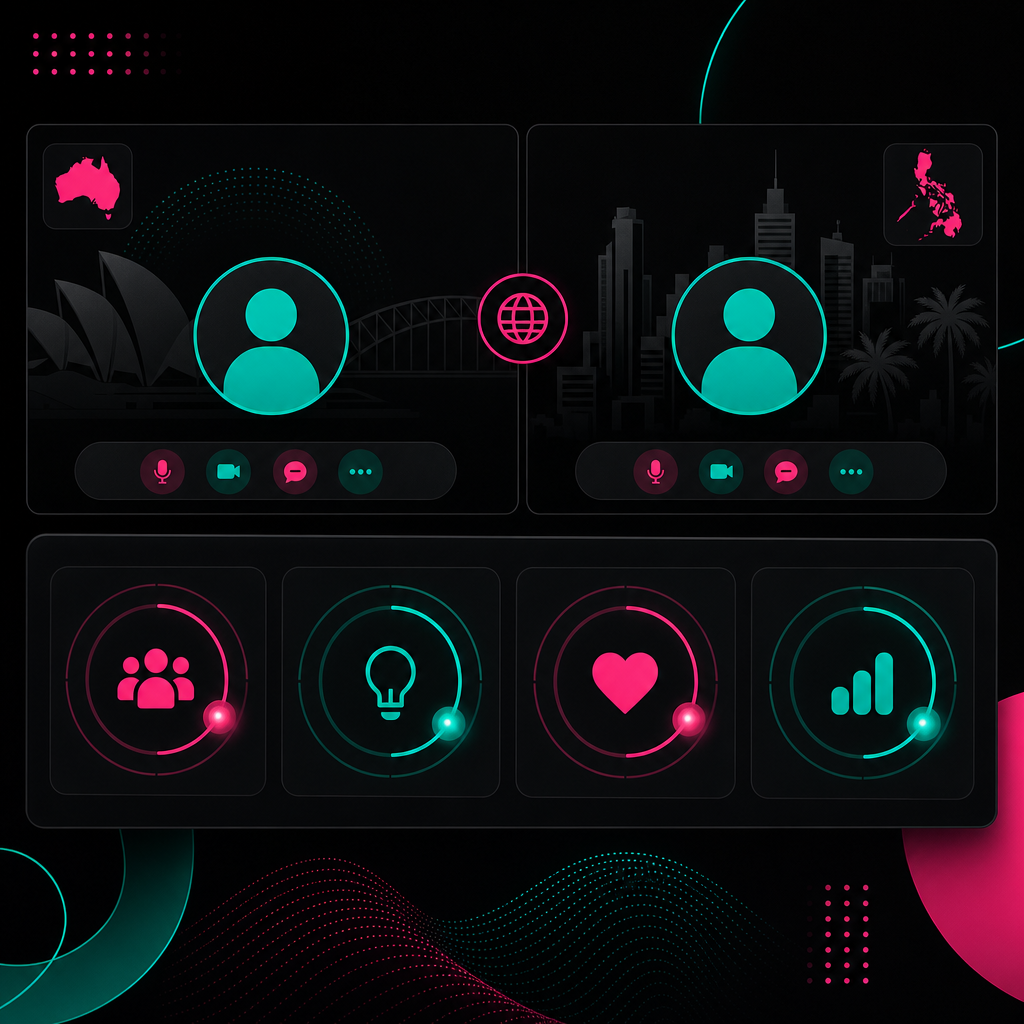
To integrate offshore staff successfully, treat them as permanent team members rather than external task-takers. Give them documented workflows, clear ownership, inclusive meetings, local context and direct access to decision-makers. Support that structure with culturally aware management, shared recognition, reliable systems and measurable expectations for both local and offshore employees.
Hiring capable people in the Philippines does not automatically create an integrated team. The quality of the delivery system determines whether offshore staff build capacity or become another management burden.
Australian HR and operations leaders need to design that system deliberately. This guide explains how to structure onboarding, meetings, cultural expectations, buddy systems, recognition and ongoing offshore staff management without creating a separate second-class workforce.
Key takeaways
Successful integration depends on operational clarity and genuine inclusion. Offshore employees need the same access to information, leadership and recognition as local colleagues. Managers also need documented processes that remove ambiguity across locations. Culture helps people belong, but structure is what allows them to perform reliably.
- Document workflows, decision rights and expected outputs before the employee starts.
- Introduce offshore staff as colleagues with defined responsibilities, not as generic support resources.
- Make meetings accessible through agendas, written context, clear facilitation and documented decisions.
- Recognise Filipino holidays and cultural norms without treating every Filipino employee as culturally identical.
- Use buddy systems for informal context, while keeping performance management with the actual manager.
- Measure role clarity, workload, belonging, manager support and access to information through regular employee feedback.
Summary table: offshore integration phases
An effective integration programme moves from role design to stable delivery. Each phase has a distinct purpose, owner and evidence of completion. Skipping the preparation phase usually pushes unresolved questions into onboarding, where the offshore employee is then expected to compensate for weak processes through extra meetings and guesswork.
| Phase | Primary objective | Practical actions | Evidence it is working |
|---|---|---|---|
| Pre-start design | Remove role ambiguity | Map workflows, define ownership, prepare access and identify stakeholders | The manager can explain what the employee owns and how work moves |
| Team launch | Establish belonging and context | Announce the role, introduce colleagues, explain customers and share communication norms | Local and offshore employees know when and how to involve each other |
| Delivery stabilisation | Create repeatable execution | Review work, resolve process gaps and document recurring decisions | Routine work no longer depends on repeated verbal instructions |
| Cultural embedding | Build trust across locations | Use inclusive meetings, recognise holidays, send equivalent team merchandise and support informal contact | Offshore employees contribute ideas and raise risks without waiting to be asked |
| Ongoing management | Protect performance and retention | Review goals, workload, development, feedback and system quality | Problems are identified through normal management rather than crisis escalation |
Build the delivery system before adding headcount
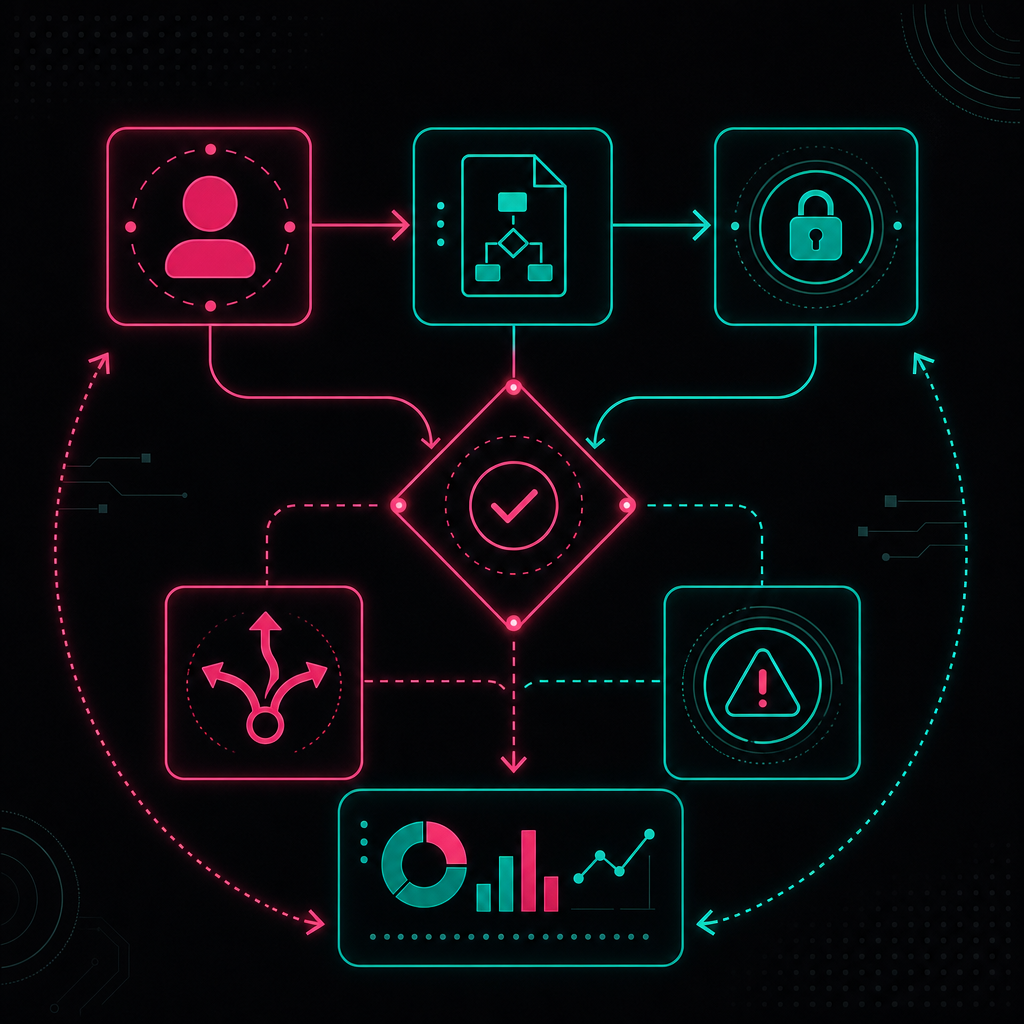
The best time to integrate offshore staff is before recruitment is complete. Define the work, ownership boundaries, systems, approval points and communication rhythm before the new employee arrives. Otherwise, the business hires talent into an undocumented environment and mistakes predictable process confusion for an employee capability problem.
Remotee's core position is straightforward: remote hiring only creates value when it is wrapped in a delivery system. Talent quality matters, but quality alone is not enough.
Most integration failures start with an imprecise role. A job description might say the employee will support operations, manage administration or assist the finance team. Those phrases describe a department, not an accountable role.
A useful role design should answer:
- Which outcomes does the employee own?
- Which tasks recur, and what triggers them?
- Which decisions can the employee make without approval?
- What requires review, and who provides it?
- Which systems hold the source of truth?
- What does acceptable work look like?
- How should risks, delays and errors be escalated?
This is the difference between a capacity gap and a capacity crisis. The underlying problem is usually delivery structure, not talent.
Create a role operating charter
Before onboarding, prepare a short operating charter covering responsibilities, exclusions, stakeholders, systems and escalation paths. It should be practical enough for the employee to use during real work.
Avoid writing instructions that merely restate the task. For example, process payroll is not a workflow. A proper workflow identifies the data source, timesheet deadline, review checks, award considerations, approval owner, reporting requirements and escalation process.
The same principle applies to marketing, recruitment, bookkeeping, customer support and administration. If the local team cannot explain how work should move, the offshore employee cannot make it repeatable.
Set up access without weakening compliance
System access should follow the role, not convenience. Give employees the information required to do their jobs, but avoid shared credentials and unrestricted folders.
For Australian organisations handling personal information, overseas access can raise obligations under Australian Privacy Principle 8. The Office of the Australian Information Commissioner explains that entities must take reasonable steps before disclosing personal information to an overseas recipient (OAIC). The exact legal position depends on the arrangement, including whether information is disclosed or merely accessed.
Practical controls include individual user accounts, multi-factor authentication, role-based permissions, access logs, secure devices and documented incident procedures. The Philippines also has its own Data Privacy Act and regulatory framework administered by the National Privacy Commission (NPC).
Remotee's compliance and training approach is designed to place these controls around the role rather than bolt them on after access has already spread.
Run inclusive meetings that produce decisions

Inclusive remote meetings give offshore staff enough context to prepare, a fair opportunity to contribute and a written record of what happens next. Inclusion is not achieved by placing everyone on the same video call. Managers must design meetings around participation, comprehension, ownership and follow-through.
Australian teams often communicate quickly and informally. Decisions can emerge through shorthand, humour or conversations between local colleagues before the formal meeting starts. An offshore employee may attend the call but still miss the context that shaped the decision.
Use the following practices to reduce that gap.
Circulate context before the meeting
An agenda should explain the decision required, not simply list a topic. Include relevant documents, background and the questions participants should consider.
This benefits employees working in a second language, but it is not remedial support. Written context improves preparation for the entire team. It also exposes unclear thinking before meeting time is consumed.
Facilitate contribution deliberately
Do not rely on people interrupting at the right moment. Australian conversational style can be fast, overlapping and heavily idiomatic. Invite input by role, especially when the offshore employee owns the process being discussed.
Replace broad questions such as any thoughts with specific prompts:
- What delivery risk do you see?
- Which step is unclear from your position?
- What information would you need before taking ownership?
- Does this deadline conflict with another recurring responsibility?
Managers should allow time after asking. Silence can indicate consideration, language processing or caution around hierarchy. It does not automatically indicate agreement.
Document decisions and owners
Every operational meeting should end with a written record of the decision, owner, required output and escalation point. This prevents local employees from leaving with one interpretation while offshore colleagues leave with another.
Use one shared location for action records. Avoid splitting commitments across chat, email, personal notes and meeting recordings. A recording can preserve the conversation, but it is not a substitute for a clear decision log.
Protect reasonable working hours
Australian and Filipino working hours can overlap substantially, depending on the Australian state and daylight-saving arrangements. That does not justify treating offshore employees as permanently available.
Agree on core collaboration windows and identify genuinely urgent channels. If meetings regularly fall outside the employee's agreed schedule, rotate inconvenience rather than assigning it automatically to the offshore team.
Understand Australian and Filipino work norms without stereotyping
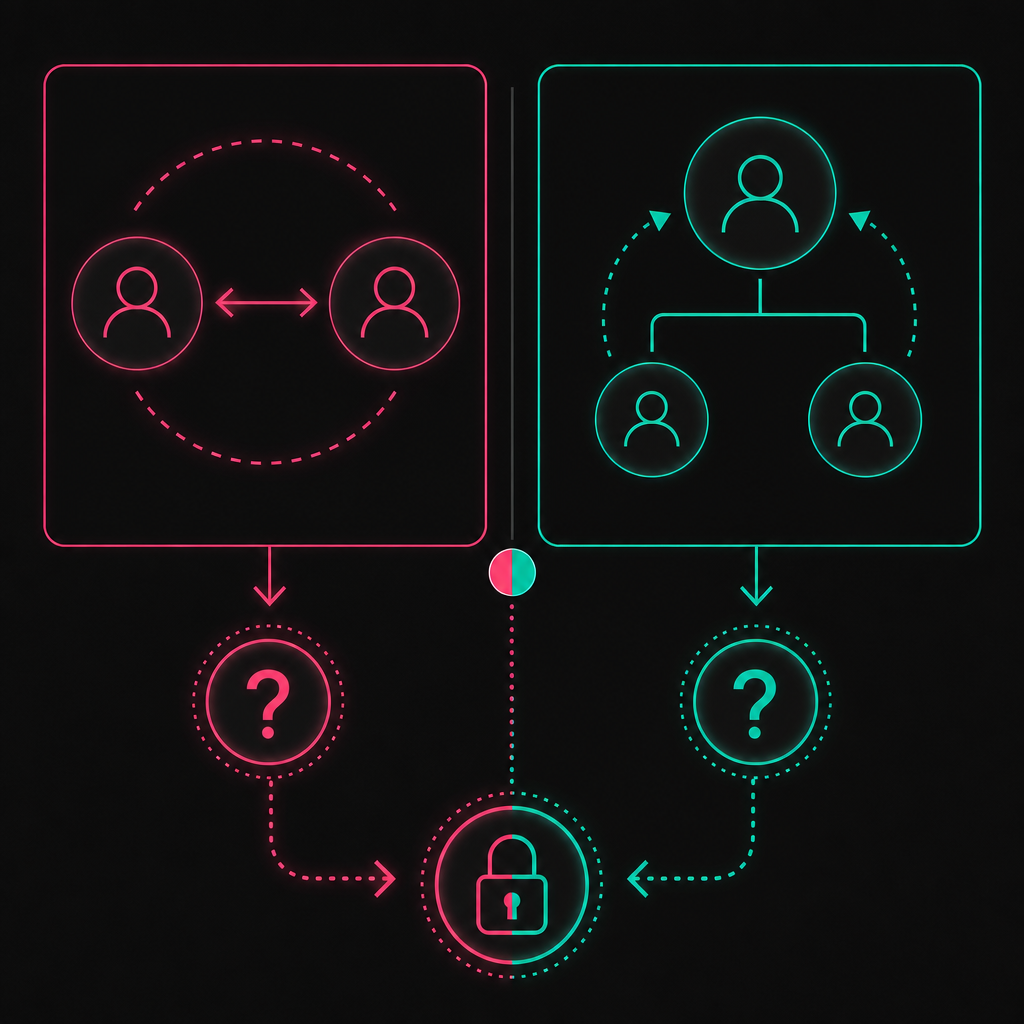
Cultural awareness helps managers interpret communication accurately, but it should never become a personality template. Filipino employees differ by region, generation, industry and experience. Use cultural knowledge to ask better questions and create safer systems, not to assume that every employee thinks or behaves the same way.
Australian workplaces often favour relatively informal interactions, first-name communication and direct discussion. Filipino workplaces can place more visible weight on seniority, relational harmony and respectful communication.
SBS Cultural Atlas discusses concepts including hiya, which relates to dignity and social propriety, and pakikisama, which concerns maintaining smooth interpersonal relationships (SBS Cultural Atlas). These concepts can influence how disagreement, errors and requests are expressed.
An employee might soften a concern, avoid contradicting a senior leader in public or say they will try when the requested deadline is unlikely. A poor manager interprets that behaviour as agreement. A better manager tests understanding without embarrassment.
Useful questions include:
- What could prevent this from being completed?
- Which assumption should we check before proceeding?
- If the deadline cannot be met, when will you tell me?
- Would you recommend a different approach?
Ask employees to summarise decisions in their own words. Do not frame this as a language test. It is a mutual check that the manager has communicated clearly.
Give feedback privately and specifically
Public correction can cause unnecessary loss of face. Discuss performance issues privately, describe the observable behaviour and explain the operational effect.
For example, do not say someone needs to be more proactive. Explain which risk was visible, when it should have been escalated and which channel should be used next time. Then confirm that the employee has genuine authority to raise similar issues.
Positive feedback should also be specific. Thanking an offshore employee for helping is weaker than recognising the process they improved, the risk they identified or the customer outcome they protected.
Acknowledge Filipino holidays properly
The Philippines observes regular holidays and special non-working days. The official list can change, so Australian managers should check the current proclamations published through the Philippines' Official Gazette (Official Gazette of the Republic of the Philippines). Employees may also value local, religious or family observances that are not equally significant across the country.
Record relevant holidays in shared calendars and plan workload before they occur. Do not wait until an employee requests leave to discover that an essential process has no backup.
Acknowledgement should be proportionate and sincere. A short team message may be appropriate. Requiring an employee to explain or perform their culture for colleagues is not.
Create belonging through buddies, merchandise and equal access
Offshore staff feel integrated when they receive the same organisational signals as local colleagues: useful introductions, direct information, visible recognition and access to leaders. Branded merchandise and social activities can reinforce belonging, but they cannot compensate for restricted information, vague authority or unequal professional development.
Design a buddy system with a defined purpose
Assign a local buddy who understands the team's informal operating context. The buddy can explain acronyms, recurring meetings, customer history, communication preferences and unwritten conventions.
The buddy should not become the employee's manager, technical reviewer and help desk. Those responsibilities belong to the relevant role owners. When everything flows through a buddy, the offshore employee remains dependent rather than integrated.
A practical buddy arrangement should include:
- A direct introduction before routine work begins.
- Regular informal contact during the early integration period.
- Permission to ask questions that feel too minor for a formal meeting.
- Introductions to colleagues outside the immediate workflow.
- A clear end point or shift into ordinary peer contact once the role stabilises.
Choose a buddy with enough organisational knowledge and willingness to help. Do not assign the task solely based on availability.
Send the same branded merchandise
If local employees receive welcome packs, uniforms, event shirts or milestone gifts, offshore employees should not receive a digital substitute by default. Sending branded merchandise to the Philippines can require more planning around sizing, shipping details, customs and delivery times, but those are logistical issues rather than reasons for exclusion.
Ask employees privately about sizing and delivery preferences. Confirm whether home delivery is appropriate. Avoid sending leftover merchandise that differs visibly from what the local team receives.
Merchandise has limited value by itself. Its purpose is to reinforce an employment relationship already supported by meaningful work and equal respect. A branded shirt does not fix a system where the offshore employee is excluded from planning meetings.
Provide equal access to development
Offshore staff should be considered for role-specific training, stretch responsibilities and internal knowledge sessions. If the local team receives coaching while the offshore team receives only task instructions, the capability gap will widen by design.
Development does not mean promising promotion paths that do not exist. Be transparent about available progression, specialist pathways and decision-making responsibilities. Reliable expectations build more trust than vague assurances.
Manage offshore performance as a system
Good offshore staff management evaluates both employee performance and the environment around the employee. When work slips, leaders should examine role clarity, inputs, approvals, workload and system access before concluding that the individual lacks capability. Accountability matters, but it must be attached to genuine control.
Create a role scorecard focused on outputs the employee can influence. Avoid measuring online presence as a substitute for performance. A person appearing active in chat says little about accuracy, timeliness or customer impact.
A useful review conversation covers:
- Delivery outcomes and quality.
- Work waiting on local approvals.
- Recurring errors and their root causes.
- Workload conflicts.
- Process changes requiring documentation.
- Skills the employee wants to develop.
- Whether the employee feels able to raise risks.
Employee satisfaction should also be measured directly. Use a short recurring pulse that asks about role clarity, manager support, workload, inclusion, development and access to information. Track the organisation's own baseline instead of importing a generic engagement benchmark that may not fit the team.
Treat payroll as a trust function
Payroll is not merely administration. It is a business-critical trust function. When pay is late or wrong, employee confidence can fall quickly, regardless of how inclusive the team meeting felt.
Offshore arrangements can involve different employment models, currencies, statutory obligations and provider responsibilities. HR leaders should know who employs the worker, who processes payroll, which benefits apply and how disputes are resolved. These details should be explained during onboarding in plain language.
Your payroll should not depend on one busy admin person remembering everything. We process payroll like it matters, because to staff, it does.
Australian businesses should also distinguish employees from independent contractors based on the actual relationship, not the label in an agreement. The Fair Work Ombudsman provides current guidance on independent contractors and employee entitlements (Fair Work Ombudsman). Obtain legal advice where the classification is uncertain.
Two real examples of process-led integration
These two anonymised examples come from our own implementation experience. They show why integration is an operating model issue rather than a welcome-call exercise. Neither example relies on an invented loyalty score or customer testimonial. The evidence is the documented change in ownership, workload and compliance processes.
Recruitment agency: payroll ownership moved out of the founders' workload
The founders of an Australian recruitment agency wanted to focus on new business development and operational execution. Payroll and accounting were absorbing attention, while hiring and managing additional internal resources did not present a sound commercial return.
We installed a payroll system and specialist team customised to the agency's software and processes. Discovery and implementation were completed within two weeks, based on our project records, after which the team went live managing payroll.
The founders' recurring involvement was reduced to approving one email each fortnight. Our team handled payroll, superannuation, tax, compliance, inbound questions and timesheet queries.
The important integration lesson is not simply that work moved offshore. Ownership moved with it. The role had defined inputs, approval points, systems and outcomes. That allowed the founders to focus on recruitment rather than becoming permanent supervisors of an added resource.
Hospitality labour hire company: a fragmented process became one delivery model
A hospitality recruitment and labour hire company had multiple internal employees and external accountants involved in payroll. Weekly processing created heavy recurring workloads, while ownership was fragmented across parties.
Our specialist team completed discovery and presented a system that removed the need for the existing mix of internal payroll handling and external accounting support. Payroll moved from weekly to fortnightly processing, and our team assumed the operational workflow.
The business reduced operating staffing costs and payroll processing costs. Compliance also improved after previously unaddressed industry award requirements were identified.
This case demonstrates why specialist offshore staffing solutions need more than qualified people. Payroll done properly is not squeezed in between unrelated work. The team needs clear authority, specialist knowledge, controlled inputs and compliance-first execution every pay run.
Remotee operating principle: The difference between a capacity gap and a capacity crisis is usually a delivery structure problem, not a talent problem.
We have not presented that statement as a customer testimonial. No approved customer quotation was supplied for this article, and inventing one would weaken the evidence rather than strengthen it.
Integration debt is the hidden cost of cheap headcount
My view is that most businesses do not have an offshore talent problem. They accumulate integration debt. Every undocumented process, unclear approval and local-only conversation creates a future management cost. Hiring more people into that environment increases communication volume without improving predictable delivery.
This is where many providers focus on the wrong promise. They compete on cost, speed or CV volume. Those factors matter, but reliability comes from installing the operating structure around the person.
The practical test is simple: if a manager takes leave, can the offshore employee still identify priorities, access the required information, make permitted decisions and escalate exceptions? If not, the business has added labour without adding operational capacity.
Our internal records across 15 recruitment-agency implementations in 2026 show a reduction of 6-10 hours in non-billable partner time per pay cycle. The recorded compliance result across the scoped implementations was 100%. These are Remotee and Accountee book-of-business figures, not an independent industry benchmark, and they should not be generalised beyond the processes reviewed.
The point is not that every offshore role will produce the same result. It is that documented ownership can release senior capacity in a way that task delegation alone cannot.
A reliable remote team culture is therefore operational before it is social. People trust a workplace when commitments are clear, decisions are consistent and their work is treated as consequential. Social connection then reinforces that foundation.
A practical integration checklist for HR and operations leaders
A strong integration plan covers work design, compliance, communication, culture and ongoing management. HR should not own the whole process alone. The operational manager must remain accountable for role clarity, while technology, payroll, privacy and leadership stakeholders contribute controls within their areas.
Before the employee begins:
- Confirm the role outcome, recurring work and exclusions.
- Document key workflows and approval points.
- Set up individual accounts and appropriate permissions.
- Confirm employment, payroll, privacy and security responsibilities.
- Brief the local team on why the role exists and how collaboration will work.
- Assign a manager and local buddy with distinct responsibilities.
During the launch phase:
- Explain the business model, customers and team structure.
- Introduce stakeholders directly rather than through an organisation chart alone.
- Review communication channels and response expectations.
- Demonstrate workflows using real examples.
- Ask the employee to identify missing information or unclear instructions.
- Add relevant Australian and Filipino holidays to shared planning calendars.
As delivery stabilises:
- Move recurring decisions into written procedures.
- Review whether approval delays sit with the local team.
- Give feedback privately, specifically and promptly.
- Include the employee in planning meetings relevant to their work.
- Track role clarity, workload, support and belonging through employee feedback.
- Review development opportunities and backup coverage.
Remotee's team focuses on predictable delivery, not simply headcount. If you need to integrate offshore staff into an existing Australian operation, contact Remotee to discuss the role, workflow and compliance structure before recruitment begins.
References
These references support the privacy, employment, cultural and holiday guidance in this article. Regulations and official holiday declarations can change, so HR and operations leaders should verify current requirements and obtain professional advice for their specific employment, privacy, payroll and cross-border arrangements.
- Office of the Australian Information Commissioner, Australian Privacy Principle 8: Cross-border disclosure of personal information
- National Privacy Commission, Philippines, Data Privacy Act
- SBS Cultural Atlas, Filipino culture: Core concepts
- Official Gazette of the Republic of the Philippines, Nationwide holidays
- Fair Work Ombudsman, Independent contractors
FAQ_SCHEMA_JSON
FREQUENTLY ASKED QUESTIONS
Common questions
How do you introduce offshore staff to a local team?
- Explain why the role exists, what the employee owns and how local colleagues should work with them. Introduce the person by name, expertise and responsibility rather than as offshore support. Arrange direct stakeholder introductions and provide access to relevant team information.
How long does it take to integrate an offshore employee?
- There is no universal timeframe. Integration depends on role complexity, process quality, system access and manager availability. Measure readiness through independent, accurate delivery rather than an arbitrary calendar milestone.
Should offshore staff attend every local team meeting?
- No. Offshore staff should attend meetings where their knowledge, decisions or responsibilities are relevant. Provide written outcomes from other meetings and ensure important decisions are not hidden in inaccessible local conversations.
How should Australian managers give feedback to Filipino staff?
- Give feedback privately, describe the specific behaviour and explain its operational effect. Ask for the employee's perspective, confirm the expected action and make it clear that respectful disagreement is permitted.
Should Australian companies recognise Filipino public holidays?
- Yes. Record relevant Filipino holidays, discuss coverage early and check the current official holiday list. Recognition can be simple, but workload planning should protect approved time off.
What is the biggest mistake when managing offshore staff?
- The biggest mistake is hiring before defining how work will be delivered. Without clear ownership, workflows, approvals and escalation paths, managers create dependency through an unclear operating environment.

Jon Kelly
Founder, Remotee
Jon helps Australian businesses build compliance-led offshore teams that scale without the burnout. NDIS, accounting, mortgage broking, recruitment and digital marketing.
KEEP READING
Related posts
Australian employer obligations when offshoring
Australian employer obligations when offshoring
Australian employers offshoring work must assess employment status, applicable workplace laws, tax, superannuation, privacy, data security, intellectual propert…
1 September 2026 · 17 min read
economic impact offshore staffing Australia
The Economic Impact of Offshore Staffing on Australian Businesses
Offshore staffing can strengthen Australian businesses by expanding specialist capacity, reducing operational friction and helping local teams focus on higher-v…
28 August 2026 · 22 min read
offshore project management staff Australia
Offshore Project Management Staffing for Australian Businesses
Offshore project management staffing gives Australian businesses access to dedicated project coordinators, PMO analysts and project managers without building ev…
23 August 2026 · 19 min read
READY TO SCALE WITHOUT THE BURNOUT?
Build a compliance-led offshore team in 3–4 weeks.
Tell us about your current bottleneck and we'll show you what a Remotee placement would look like for your operation.
Or get our playbooks emailed to you instead.